What Is Psychodermatology?

Share
It turns out that skin health and mental health are closely intertwined. Per a 2007 study published in The Primary Care Companion to The Journal of Clinical Psychiatry, psychodermatology is the study and treatment of skin disorders using psychological and psychiatric techniques by looking at the relationship between the mind and the skin. The interaction among neurological, immunological, cutaneous, and endocrine systems — collectively referred to as NICS — is what the practice of psychodermatology is based upon. When a person encounters an inflammatory skin condition and emotional distress, their NICS is destabilized.
Psychodermatology can be classified into four categories, including psychophysiological disorders, primary psychiatric disorders, secondary psychiatric disorders, and the miscellaneous. Psychophysiological disorders are skin conditions exacerbated by emotional stress like eczema, acne, or psoriasis. Primary psychiatric disorders are psychiatric conditions that result in — as opposed to result from — skin conditions. Bipolar disorder, schizophrenia, and post-traumatic stress disorder are examples of primary psychiatric disorders. Secondary psychiatric disorders are psychiatric problems brought on by skin conditions, including social phobia, frustration, and low self-esteem.
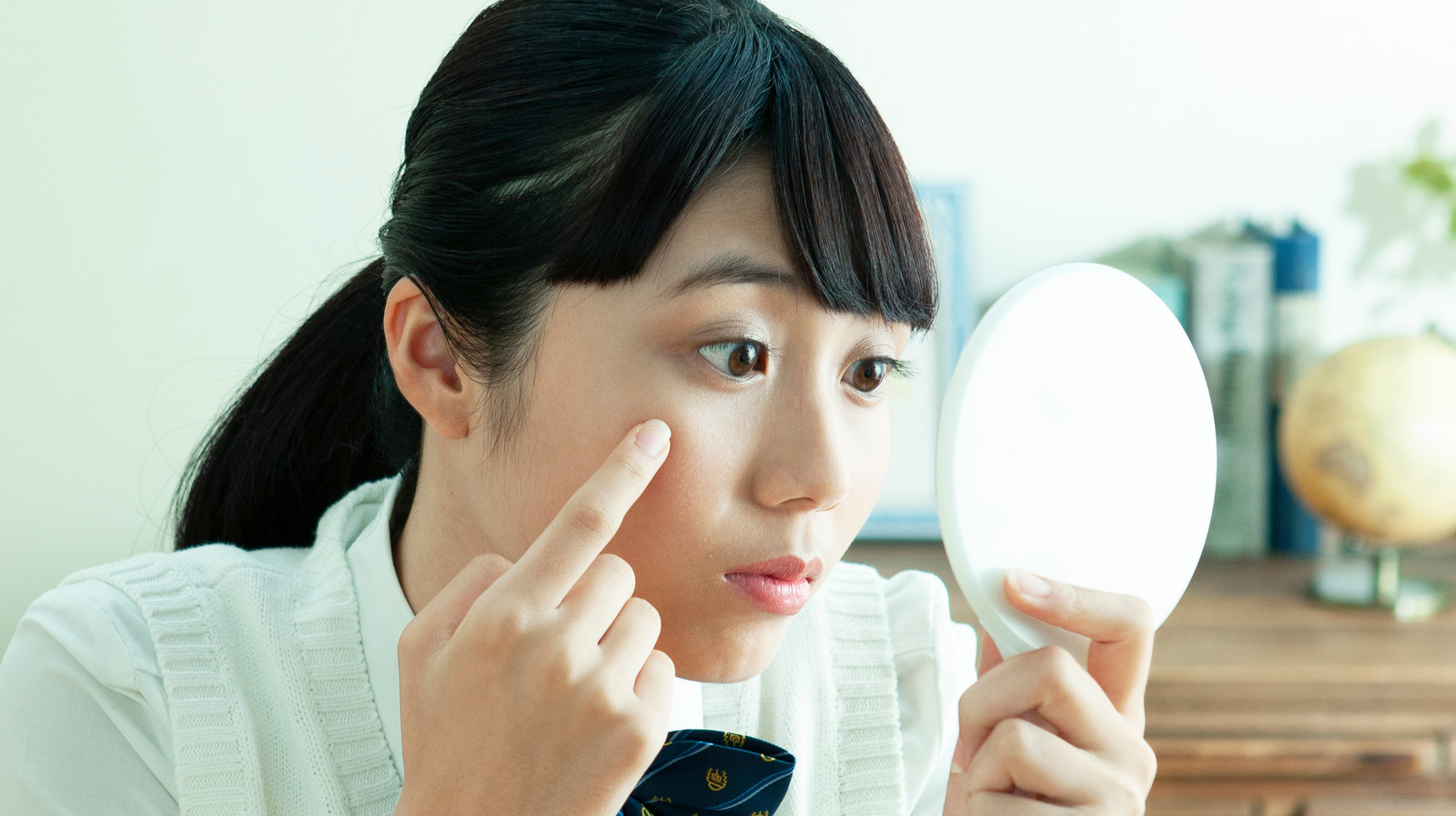
Emotions play a big role in triggering breakouts, acne can cause depression, and everything continues a vicious cycle. For instance, primary psychiatric disorders can lead to skin conditions like acne or rosacea, giving rise to secondary psychiatric disorders — feelings of shame and devastation resulting from having to deal with visible skin diseases, a 2020 study published in The Journal for Nurse Practitioners points out. So, how can specialists use psychodermatology to help patients get off this endless loop?