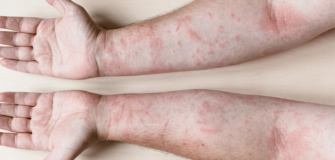
Itchy Fingers: Possible Causes and Treatments

Share

A doctor may be able to diagnose the underlying cause of itchy fingers by examining your symptoms, evaluating your medical history, and performing a physical exam. Sometimes, a blood test or skin biopsy may be needed to confirm a diagnosis.
Read on to learn more about itchy fingers, including what may cause them, how doctors diagnose the cause, and how to treat them.

Some infections that can affect the skin may cause itching in the hands and fingers.
For example, a bacterial infection called impetigo may cause itchy, discolored sores on the skin that can leak fluid and crust over. According to the
Trusted Source
Centers for Disease Control and Prevention (CDC)
Governmental authority
Go to source
Also, a parasitic infection called scabies can cause
Trusted Source
PubMed Central
Highly respected database from the National Institutes of Health
Go to source
Learn more about identifying scabies.
Contact with allergens like certain metals, adhesives, or plants such as poison ivy
Trusted Source
PubMed Central
Highly respected database from the National Institutes of Health
Go to source
Learn more about 8 common skin allergens.
Other conditions that may contribute to itching on the fingers include:
- Dry skin: Also called xeroderma, dry skin
may result from excessive washing or bathing, dry weather conditions, or exposure to harsh substances like chemicals. Dry skin can be very itchy and may also flake or crack.
Trusted Source
PubMed Central
Highly respected database from the National Institutes of Health
Go to source
- Insect bites or stings: If an insect bites or stings your fingers, it may result in a raised bump, skin discoloration, and itching.
- Eczema: Other forms of eczema,
such as dyshidrotic eczema , can affect the hands and cause itchy fingers. Dyshidrotic eczema also causes small blisters that may be painful.
Trusted Source
PubMed Central
Highly respected database from the National Institutes of Health
Go to source
- Psoriasis: Psoriasis is a chronic skin condition that may cause flat patches or raised plaques of dry, discolored, flaky, or itchy skin. The signs and symptoms of psoriasis
can come and go , so your itching may not be constant.
Trusted Source
National Institute of Arthritis and Musculoskeletal and Skin Diseases
Governmental authority
Go to source
- Diabetes: People with diabetes
may experience itching related to certain complications of the condition, such as dry skin or nerve damage in the hands.
Trusted Source
PubMed Central
Highly respected database from the National Institutes of Health
Go to source
Learn more about 10 medical conditions that can cause itchy skin.
To diagnose the underlying cause of itchy fingers, your doctor will ask about your symptoms and medical history. They can then perform a physical exam, which may be enough to pinpoint a cause.
In cases where a diagnosis is unclear, additional testing may be needed. Your doctor may perform a
Trusted Source
PubMed Central
Highly respected database from the National Institutes of Health
Go to source
The treatments for itchy fingers can vary depending on the cause.
For example, dry skin may be manageable with simple remedies like moisturizers and in-home humidifiers. People with allergic contact dermatitis
Trusted Source
PubMed Central
Highly respected database from the National Institutes of Health
Go to source
Conditions like infections or diabetes may need more intensive medical treatments and remedies to reduce itching. Ask a doctor about treatments that are appropriate for your situation.
Learn more about 9 treatments that may relieve itchy skin.
The outlook for people with itchy fingers may vary depending on what’s causing the itching. Some conditions, such as dry skin or allergic contact dermatitis, may be temporary and manageable with trigger avoidance and topical treatments.
Conditions like eczema and psoriasis require long-term management, and symptoms like itching may relapse and recur.
You may be able to prevent some cases of itchy fingers by:
- keeping your skin well-moisturized
- practicing proper hand hygiene to reduce your risk of infection
- avoiding substances like certain plants or metals that can induce itching
- managing any underlying conditions per your doctor’s instructions
Contact your doctor if you’re experiencing persistent or worsening itching. In addition, seek medical care if your itching occurs alongside other concerning signs and symptoms, such as:
- swelling
- pain
- discharge from broken skin
- skin warmth
Learn more about skin symptoms to never ignore.
Debra Sullivan, PhD, MSN, RN, CNE, COI, reviewed the answers to these common questions about itchy fingers.
How do I stop my fingers from itching?
In the short term, you may be able to manage itching with topical treatments containing ingredients like steroids or antihistamines. In some cases, you may need to contact a doctor to determine whether an underlying condition requires additional treatment.
Can you have itchy fingers without a rash?
Yes, itchy fingers can occur without a rash. For example, dry skin may itch but may not cause skin discoloration or other symptoms. If you’re unable to determine a cause, contact a doctor.
Itchy fingers can result from various factors, such as dry skin, infections, or allergies. The itching may occur alongside other signs and symptoms, such as swelling, discoloration, or flaking.
Talk with a doctor if you’re experiencing itchy fingers. They can identify the underlying cause and recommend treatment.